Cobots and AI visual inspection: three integration patterns for SMEs

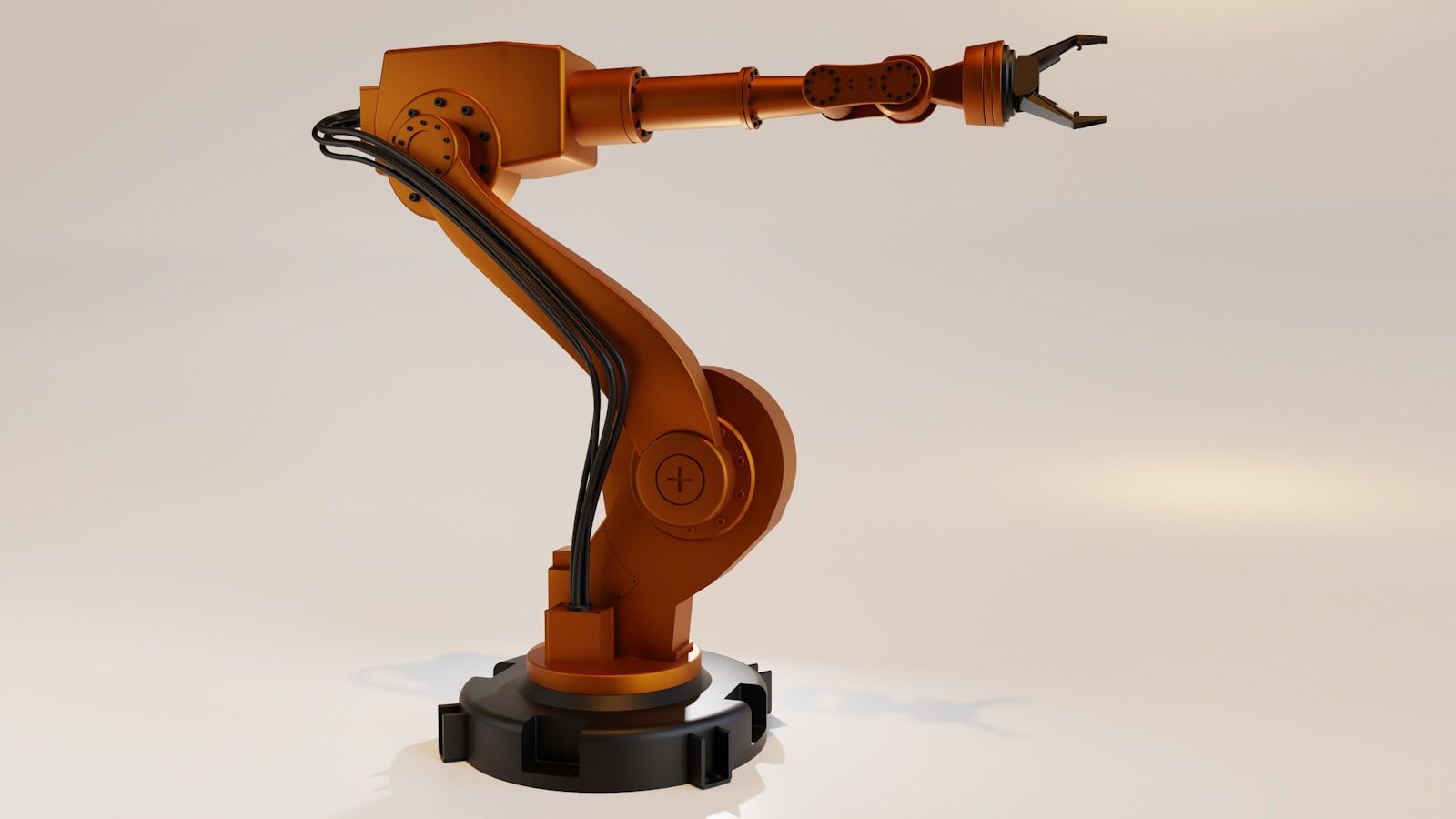
The International Federation of Robotics reports that collaborative robots (cobots) have grown steadily since 2020 and accounted for roughly one in ten new robot installations in 2024. Most of that growth does not come from automotive OEMs. It comes from small and medium-sized manufacturers. SMEs are deploying cobots because they are flexible, relatively inexpensive and deployable without a big integration project.
What many of these installations are missing: a visual inspection step that does not just guide the cobot but actually checks the quality of the parts it is handling. Without that step, the cobot delivers a productive cycle but no quality assurance. That is the exact gap iPhone-based AI visual inspection closes for SMEs.
This post covers why cobots and AI visual inspection belong together on an SME line, the three integration patterns that show up most often, and where the practical entry point sits.
Why cobots work for SMEs
Cobots differ from classic industrial robots on three dimensions. They run without a safety cage, they can be programmed by teach-in in hours rather than weeks, and a cobot from Universal Robots, Doosan, Techman or Fanuc CRX costs roughly a third of a classic robot cell. That combination makes them the default entry-level automation for mid-market manufacturers.
Typical SME use cases: machine tending (CNC mills, presses, injection-molding machines), pick-and-place from bins, screw-driving and adhesive dispensing, simple assembly steps, and packaging. All of these share one pattern: the cobot moves a part but does not inspect it. Quality control is either a separate manual step or skipped altogether.
The missing piece: inline visual inspection
In most cobot cells, the only built-in 'sensor' for quality is a simple vision-guided pick: the cobot grabs a part when the camera sees it. That answers 'where is the part' but not 'is the part good'. Classic machine vision systems could solve this, but they blow through the budget and complexity ceiling an SME has planned for a cobot cell.
AI visual inspection running on an iPhone fills that gap. Hardware is under €1,000 (refurbished iPhone, mount, cables, ring light). Set-up takes half a working day. The model runs on-device and writes pass/fail to the cobot controller over OPC UA or a simple HTTP endpoint. For the general pattern, see our explainer on what AI visual inspection is.
Three integration patterns that work in the SME
1. CNC machine tending with post-machining inspection
A cobot loads raw stock into a CNC mill from a bin and unloads finished parts. The inspection station sits at the outfeed and checks every finished part for machining defects (burrs, chips, missing holes, wrong edge treatment). Bad parts go to a reject chute, good parts to the bin. The inspection replaces the end-of-shift manual sampling check and prevents a worn tool from producing a full bin of scrap.
2. Assembly cobot with in-process inspection
A cobot executes a single assembly step (installs a screw, seats a gasket, snaps in a clip) and hands the part to the next station. The inspection station verifies between steps that the operation completed correctly. The cobot responds to a bad signal by rejecting the part or retrying the assembly. That is the same pattern we cover in our piece on AI quality control in manual assembly, just with the cobot in place of the operator.
3. Packaging and palletizing with label verification
A cobot palletizes cartons or trays. The inspection station verifies before palletizing that each carton is correctly labeled, the lot code is readable and the expiry date is right. That pattern rhymes with the approach we describe in AI visual inspection for food and beverage and AI visual inspection for pharma packaging, scaled down to a single cobot cell.
The ROI math for an SME
A Universal Robots UR5e cobot, fully integrated, typically runs somewhere in the tens of thousands of euros once grippers, safety and setup are added. Against that sits roughly 0.5 to 1.5 full-time equivalents the cobot replaces or frees up. On two-shift operation, payback typically falls between 14 and 24 months.
The iPhone-based inspection station adds less than €1,000 in hardware plus an Enao subscription on top. It typically delays total project payback by less than a month but measurably improves scrap rate. In cells where visual inspection replaces a dedicated manual QC station, it earns its own business case in months.
For the full cost picture, read our piece on shifting from CapEx to OpEx in manufacturing. The core idea is the same: a smartphone-based inspection station converts a capital investment into a monthly fee, which makes the payback math much easier for a CFO to defend.
What you need for the integration
Integrating a cobot with an iPhone inspection station is a three-step job. First, the iPhone station exposes a simple HTTP or MQTT endpoint that sends pass/fail to the cobot controller. Second, the cobot controller (a URCap on Universal Robots, equivalent on other brands) reacts to the signal with a reject routine. Third, the image is stored locally and optionally forwarded to an MES or ERP system.
No cloud dependency, no new IT infrastructure, no dedicated server. That matters in the SME context because most cobot projects fail on IT integration, not on the robot hardware itself. For the technical side, see our industrial image processing guide.
Where to start
The fastest path: pick an existing manual inspection step at a workstation where the cobot already runs or is planned. Shoot 200 to 500 good-and-bad examples with an iPhone. That is enough to train a first model and run it in shadow mode alongside the manual check. After two weeks, you see whether the detection rate in your specific application is high enough to replace or complement the manual check.
If you want to take a structured path through this, try the demo. We share deployment checklists, integration templates for the main cobot brands and a reference bill of materials for a first cobot-plus-inspection cell.
Get started
Want to see how Enao Vision works on your line? You can get started for free using an iPhone you already have, or try the demo to compare notes with other quality and operations teams putting AI on the shopfloor.
Explore with AI
Discuss this article with your favorite AI assistant
