Machine vision inspection: a 2026 guide for manufacturers

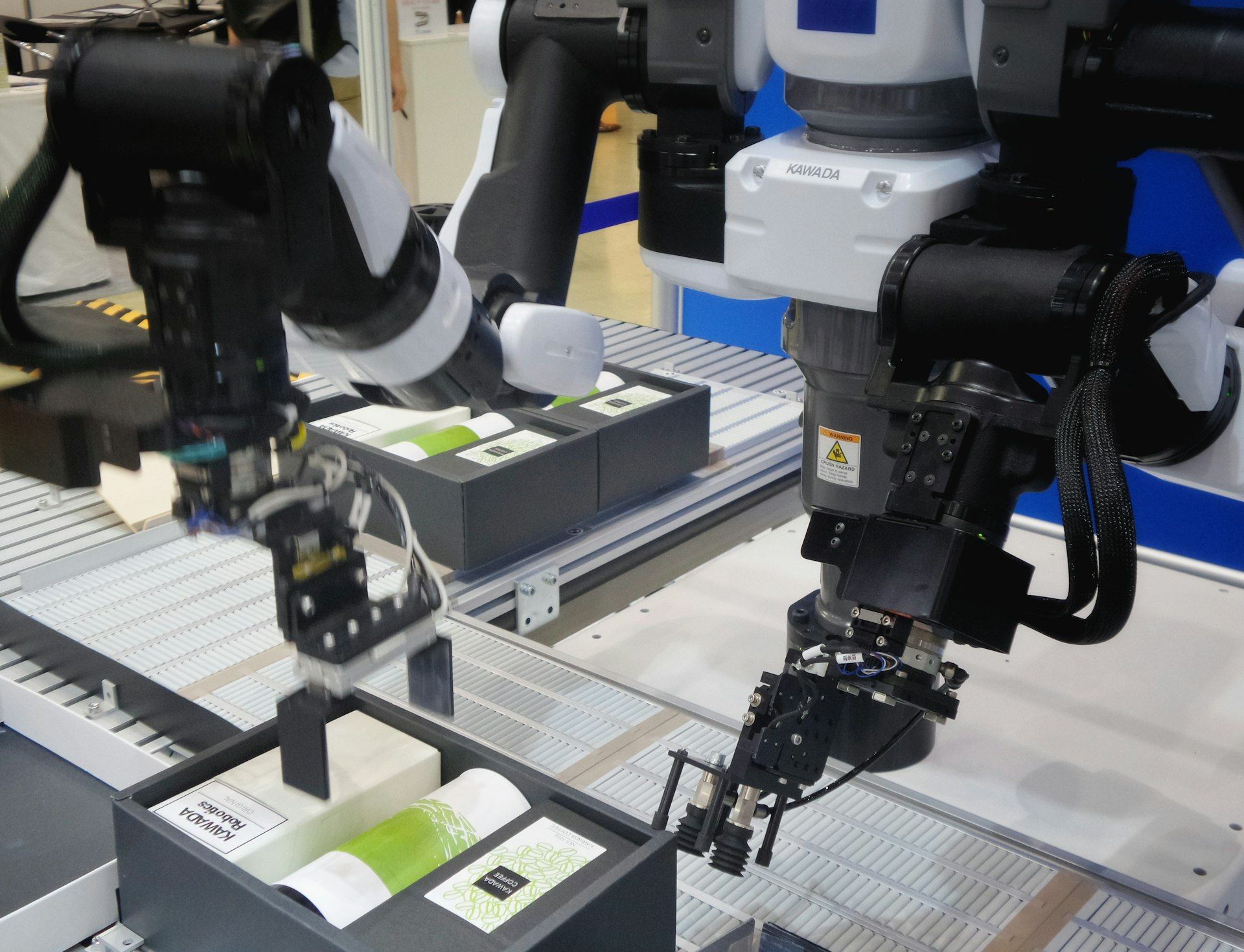
Machine vision inspection uses cameras and software to check parts for defects during the manufacturing process. The camera captures an image of every product, the software analyzes it against a trained model or a set of rules, and the system flags, rejects or alerts on defects in real-time. Undetected defective products cost manufacturers between 15% and 20% of annual revenue, most of it after the defect leaves the line in returns, warranty claims and lost customers.
This guide covers how machine vision inspection works in practice, what types of machine vision systems exist in 2026, how to pick the right one for your overall production, and where the benefits of machine vision actually show up on the shop floor.
How does machine vision inspection work?
A machine vision inspection system has four parts: a camera, lighting, image processing software and a decision-making layer. The camera captures a high-resolution image of the part, the software runs algorithms over the image to extract features, and the decision-making layer compares the result against quality standards and either passes the part, triggers rework or sends an alert. The same architecture sits at the heart of automated quality control on the modern shop floor.
There are two families of algorithms. Rule-based systems compare measured features (edge length, color hue, presence/absence of holes) against fixed tolerances. AI-powered systems use deep learning and computer vision models trained on labeled images to recognise defects the way a human eye would. The best machine vision technology in 2026 mixes both: rule-based logic for structural checks, machine learning for visual defect detection that resists noise.
Inline inspection means the camera sits on the production lines themselves and grades every part at production process speed. Offline inspection samples parts at a separate station. Most manufacturing operations now run inline, because real-time feedback lets you stop the line when a defective batch starts, instead of finding out at the end of the shift.
For a deeper dive on how the underlying industrial image processing pipeline is built, see our companion guide.
What types of machine vision systems exist in 2026?
Three categories cover most inspection tasks today. Each has its own price point, its own setup time and its own ceiling on what defects it can catch.
Smart cameras and rule-based machine vision
Smart cameras package the lens, sensor, processor and image processing software into a single self-contained unit. They run rule-based algorithms onboard and send a pass/fail signal directly to a PLC. Cognex and Keyence dominate this segment. Smart cameras are repeatable, fast and well-suited to barcode reading, OCR, dimensional checks and presence/absence inspection on stable parts. They struggle with subtle surface defects that change shape between batches.
AI-powered visual inspection
AI-powered systems use artificial intelligence and deep learning models trained on your own images. They handle the cases that rule-based systems cannot: surface scratches, color drift, soft material deformation, pattern variations. The trade-off used to be cost and integration time. In 2026 that has flipped: a modern ai-powered visual inspection platform can be live on a single line in days, with hardware to get running staying under €1,000. The same artificial intelligence stack that powers consumer-grade image recognition now drives industrial quality control.
Hybrid and machine vision inspection systems
Larger manufacturing operations often combine both. A rule-based barcode reader feeds traceability data to the MES, while a separate AI camera handles surface inspection on the same line. The benefits of machine vision inspection systems show up clearest when you let each layer do what it is best at, rather than forcing one tool to cover every defect class.
For a side-by-side comparison of available inspection solutions and vendors see our machine vision systems guide.
Which inspection tasks deliver the best ROI?
Five inspection tasks pay back fastest for mid-sized factories. Each has clear quality standards, plenty of reference data and a defined defect class.
Presence/absence and assembly verification
Presence/absence checks confirm that every screw, washer, label or sub-assembly is in the right position. Assembly verification extends this to the order and orientation of components. Both are textbook smart camera or rule-based applications, with payback often inside a quarter. On lines where collaborative robots place parts before assembly, the same camera also feeds back to the robots when something is out of position.
OCR, barcode and labeling inspection
Optical character recognition (OCR) and barcode reading verify that the right label is on the right part. Labeling inspection catches misprints, cut-offs and wrong language SKUs before they ship to a customer. This is the highest-volume use case in food and beverage and pharmaceutical packaging.
Surface defect detection
Surface defect detection on stamped, molded or cast parts is the canonical AI use case. Deep learning models catch scratches, dents, color drift and contamination that rule-based systems miss. The automotive and semiconductor industries have been early adopters here, with most automotive Tier 1 suppliers now running automated inspection on at least one line.
Dimensional checks against tolerances
Dimensional metrology against tolerances closes the loop on machined and assembled parts. High-resolution cameras and structured light replace manual gauge checks, eliminate human error and feed the data straight into the manufacturing process for SPC.
Fill, seal and packaging integrity
Fill, seal and packaging checks on bottles, pouches and blisters are essential in pharmaceutical, food and beverage and medical devices manufacturing. Regulatory pressure pays for the system on its own. See our deep dive on AI visual inspection for pharma packaging for the workflows that work in production.
What are the benefits of machine vision in manufacturing?
Six benefits show up on almost every line where automated inspection replaces or augments human inspectors.
First, defect detection rates improve. A trained machine vision inspection system catches defects that fatigued operators miss, especially at high-speed and on monotonous shifts. Quality assurance metrics and overall product quality typically improve by 30% to 60% in the first quarter.
Second, throughput goes up. Manual inspection becomes the bottleneck on most fast lines. Automated inspection runs at line speed without breaks, which lifts overall production capacity even when the rest of the equipment is unchanged.
Third, traceability becomes effortless. Every part is photographed, scored and logged. When a customer raises a warranty claim months later, you can pull the inspection record for the exact serial number.
Fourth, repeatable quality replaces inspector variance. The human eye is excellent at pattern recognition but poor at consistency across an eight-hour shift. Repeatable, calibrated machine vision technology makes quality standards stick.
Fifth, rework and scrap drop. Catching defective products at station three instead of at final assembly avoids wasted work on already-bad parts. Rework hours typically fall by 25% to 50%.
Sixth, the labor freed by automated systems goes to higher-value work: changeovers, root-cause analysis, problem-solving on adjacent stations. That is often the largest gain, even though it does not show up in scrap metrics.
Which industries use machine vision inspection most?
Five industries lead adoption of machine vision in modern manufacturing.
Automotive: surface defects on body panels, weld inspection, assembly verification on engines and electrical sub-assemblies, and quality control on welding robots. The automotive supply chain has been an early adopter and now expects a documented quality inspection system from every supplier.
Pharmaceutical and medical devices: vial inspection, label inspection, blister fill checks, syringe assembly. Regulatory frameworks make machine vision technology effectively mandatory for production at scale.
Food and beverage: fill levels, seal integrity, foreign-object detection, label and date code reading. High-speed lines and tight margins make automated inspection a defensive necessity.
Aerospace: composite layup inspection, dimensional checks against tight tolerances, traceability of every machined part. Lower volumes than automotive, but very high cost per defect.
Semiconductor and electronics: wafer defect detection, solder joint inspection, component placement verification. The combination of high-resolution imaging and deep learning has reset what is possible here in the last three years.
How do you choose the right machine vision inspection system?
Five rules cover most of what we see in practice across hundreds of inspection projects.
First, pick a line that runs every day, with a defect class your operators can describe in one sentence. If they cannot describe it, no AI system will catch it.
Second, build a small lighting and camera rig and capture 200 reference images before you commit to a platform. Decide between a rule-based and an ai-powered approach only after you have looked at your own data.
Third, treat scalability as a day-one design choice. The system you pilot on one line should be the same system you can roll out to ten lines without re-architecting the data flow. Otherwise the second deployment costs as much as the first.
Fourth, measure baseline metrics before deployment. Defect detection rate, scrap percentage, false rejects, manual inspection minutes per shift. Without a baseline, the new system has no story to tell.
Fifth, prefer user-friendly platforms that your team can retrain itself. Products drift, lighting changes and new defects appear over the lifecycle of a line. The platform you choose should let your team retrain models in hours, not weeks.
For more on framing the first project, see our guide on automation in production.
Where does Enao Vision fit into modern manufacturing?
Enao Vision is an ai-powered visual inspection platform that runs on a refurbished iPhone, a lamp, a mount and network cables. Hardware to get running stays under €1,000 and the same platform handles label inspection, surface inspection, OCR and fill checks on production lines from 30 to 600 parts per minute. Setup runs in days, not months.
We hand-hold customers through the first three weeks of training and onboarding, with no long-term contracts. That positioning gives manufacturers a way to test machine vision inspection at low risk before committing to a multi-year industrial automation project across the rest of the stack. If the system works on one line in week one, the rest of the rollout can be paid for out of scrap savings.
Frequently asked questions about machine vision inspection
What is the difference between machine vision and computer vision?
Computer vision is the broader research field of getting machines to interpret images. Machine vision is the industrial application of computer vision: cameras, lighting and software that perform inspection tasks on a production process. Most modern machine vision technology in 2026 uses computer vision algorithms (including deep learning) under the hood, but adds the ruggedization, real-time performance and PLC integration that factories actually need.
How accurate is AI machine vision today?
A well-trained ai-powered visual inspection model typically reaches 95% to 99% accuracy on the defect classes it has seen, with false-reject rates under 2%. The remaining error rate depends on lighting consistency, defect variation and the size of the training set. The benefits of machine vision over the human eye are largest at high-speed and on monotonous, repeatable inspection tasks, where human inspectors fatigue.
What ROI can manufacturers expect from machine vision inspection?
A focused first project on one line typically pays back in three to nine months. Savings come from scrap reduction, fewer warranty claims, less rework and lower manual inspection cost. Larger automated systems covering multiple lines have ROI windows of 12 to 24 months and need a clear competitive advantage to justify.
Can small manufacturers benefit from machine vision systems?
Yes. The combination of consumer-grade cameras, cloud training and ai-powered visual inspection has pushed the entry point for machine vision inspection systems from €100,000 to under €5,000 per line. Small manufacturers now access the same defect detection capability that was reserved for automotive and semiconductor giants five years ago.
What metrics should I track on a new machine vision project?
Track five metrics from day one: defect detection rate, false-reject rate, throughput in parts per minute, manual inspection minutes saved per shift, and scrap or rework cost avoided. These are the metrics that prove ROI and that let you optimize the inspection process over the lifecycle of the line.
Key takeaways
- Machine vision inspection uses cameras, image processing and decision-making algorithms to catch defects during the manufacturing process in real-time. Both rule-based and ai-powered systems have a place on the modern shop floor.
- Smart cameras (Cognex, Keyence) cover barcode, OCR and presence/absence well. AI-powered visual inspection covers surface defects, soft materials and pattern variations that rule-based systems miss.
- Five inspection tasks deliver the best ROI: presence/absence and assembly verification, OCR and labeling, surface defect detection, dimensional checks against tolerances, and fill/seal integrity.
- Six benefits of machine vision show up on almost every line: better defect detection, higher throughput, full traceability, repeatable quality standards, less rework, and freed-up labor.
- Pick a line that runs every day, capture 200 images before choosing a platform, design for scalability across ten lines and prefer a user-friendly system your team can retrain itself.
If you want to compare notes with manufacturers running their first or fifth machine vision inspection project, try the demo. You will find people who can save you a week of trial and error.
Get started
Want to see how Enao Vision works on your line? You can get started for free using an iPhone you already have, or try the demo to compare notes with other quality and operations teams putting AI on the shopfloor.
Explore with AI
Discuss this article with your favorite AI assistant
