Using AI quality control for visual defects in PVC window profiles
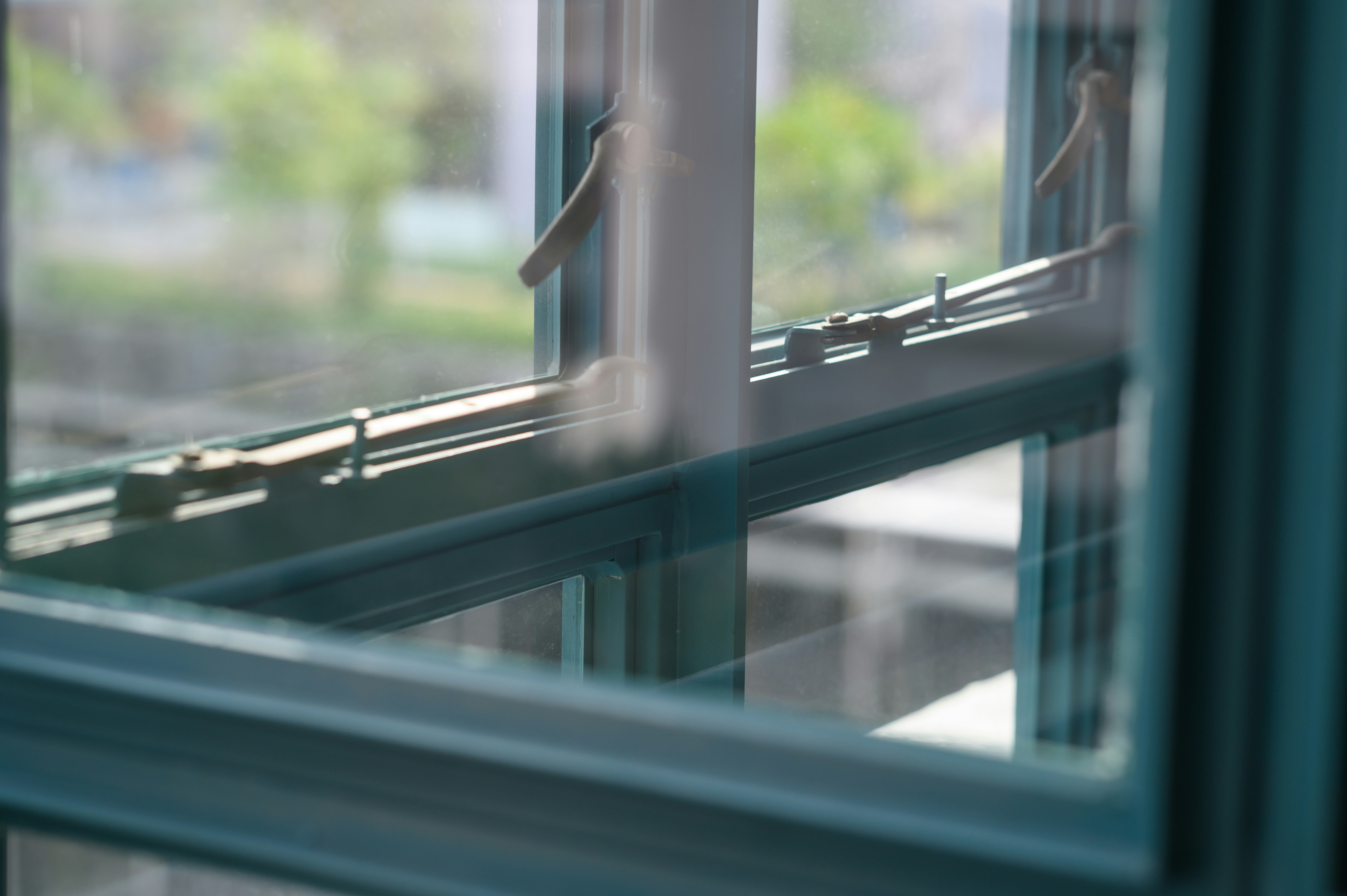
PVC windows carry warranties of from ten to over twenty years, meaning that defects can lead to costly replacements. When a visual defect shows up after installation—a lamination failure, surface crack, or color mismatch—it's not just a warranty claim. It's a site visit, a replacement, and a hit to your reputation.
The challenge is that window profile manufacturing involves distinct processes, each with its own defect modes that can ship undetected. In this post, we outline how defects for PVC windows that can be caught by today’s automated visual inspection solutions.
How machine vision systems today enable inspection on the line for PVC window profile manufacturing
One of the biggest challenges for quality inspection for PVC profiles is that extrusion and lamination lines run continuously at high speed. Manual inspection can't keep pace, and sampling-based inspection misses sporadic defects—a contamination event that lasts five minutes, or a lamination bubble that appears every twentieth profile.
In the past, automated quality inspection used proprietary hardware that required significant investment and changes to the production line to get set up. Worse, they were not always easy to maintain or adjust for a new run. The good news is that AI quality control today has a lot more flexibility – whether it’s smaller cameras, lower-cost solutions, smart algorithms that can recognise defects based on patterns not fixed rules, and more user-friendly software that makes it easy to label defects. Here’s how it can work for specific types of PVC window profile defects.
Flagging warping, dimensional variation, and extrusion defects
Approximately 45% of warping issues stem from uneven temperature distribution during extrusion, another 35% from cooling system problems, and 20% from haul-off coordination issues, according to technical analysis from equipment manufacturers
Warped profiles create installation headaches—frames that don't seat properly, sashes that don't operate smoothly, and gaps that compromise thermal performance. Dimensional variation (inconsistent wall thickness or chamber geometry) affects structural integrity and thermal ratings. These defects are often subtle enough to pass manual visual inspection but obvious enough to cause problems in the fabrication shop or at installation.
In addition to temperature controls for cooling, regular sampling helps catch dimensional drift earlier. In addition to manual inspection, AI inspection detects surface irregularities and dimensional anomalies that indicate process drift. With cameras today, like the iPhones that can run Enao Vision’s quality inspection software, there is enough detail for a machine algorithm to catch surface irregularities, such as if lines are not straight. In addition, thresholds can be set so that the algorithm learns to label the type and severity of the defect, allowing a human operator to follow up. This not only helps to catch individual defects, but is especially important for alerting operators before there is a full run of out-of-spec profiles.
Catching black lines, chatter marks, and scratches
Unlike dimensional defects, surface defects can't be corrected in fabrication, making catching them early and correcting the production line essential. Surface defects on extruded profiles like black lines, chatter marks, and scratches usually aren’t a one-off but indicate something on the line that needs correcting. This is where AI-powered machine vision systems can help find patterns.
Whether it’s contamination or carbonized material in the extrudate, die surface faults or vibration, or scratches from a faulty machine, finding the root cause can save a whole run. Machine vision systems today have customizable labels for defects, making it easier for staff to problem-solve. For example, Enao Vision’s defect detection not only labels the defect, but can add notes such as the severity, and also the impact. These are customizable text-based labels that can be updated any time, meaning that experienced staff can leave descriptions that junior staff can action on, even if they didn’t originally know the source.
Adding AI-based quality control is a process improvement for Industry 4.0 and speeds up root cause analysis. Of course, it’s essential to have regular maintenance schedules and equipment monitoring as preventative measures.
Labelling bubbles, delamination, foil lifting, and other lamination defects
Lamination quality is proven over time, and defects can appear immediately or months after installation. How can defects that appear later be caught during production? The answer is setting up monitoring for each stage, or at least accurate last checks that flag any production issues for staff to follow-up on.
Primer application and drying is key to quality. Issues in the process also show up as visual signs: bubbles under the foil and delamination for example. Similarly, wrinkles and foil lifting can indicate incorrect roller pressure or tension. Sometimes, these defects can be small enough to miss during manual checks, especially since humans can get tired or distracted. In contrast, with the right standardiszed setup, automated quality control solutions can consistently catch issues, even if small and at high-speeds. By setting up camera inspections throughout the line with the right lighting, defects can be caught at different angles to ensure that all the edge cases are accounted for.
Enao Vision customers who manufacture PVC profiles can get set up quickly without disruption to the line because the iPhone is compact and easy to install without adjusting any hardware.
Using automated quality control for color variation and shade matching
To the human eye, a shade lighter or darker might not be obvious on the inspection line, but it’s a glaring issue when everything is installed.
Machine visions systems can detect visual defects at a level of detail the human eye usually cannot, including beyond the visible colour spectrum. After setting up a controlled lighting and training with physical colour reference standards, machines can perform consistently. We recommend speaking to different providers, some of which have cameras for special optical needs.
In addition, having the correct lighting setup is key for successful automated quality control. At Enao Vision, we make customized recommendations for lighting, mounts, nad set up for our customers’ production need, so we recommend all manufacturers to speak to providers about the exact level of setup support they will receive. The key to high-accuracy for AI-based quality control is not just the most expensive cameras, but instead the best setup.
Getting started
Visual defects in window profiles cost more than the scrap—they cost customer relationships and warranty claims. In the past, solutions were costly and came with bulky hardware that may not integrate well onto the production line. But now in 2026, AI-powered inspection is much more flexible to set up and can be better customized to not only catch defects before they ship, but flag the root causes on the line.
You can get in get started for free to see how Enao Vision works on extruded and laminated profiles, or join our community if you would like to exchange experiences to other forward-thinking quality professionals.